The algorithm is an easy suspect when social performance starts moving in the wrong direction. Reach softens, comments slow down, engagement rates dip and somebody inevitably wonders whether Instagram changed something again.
Platforms evolve constantly, and distribution changes can absolutely affect results. But social engagement for outdoor brands can depend on far more than the latest algorithm update. Content may become predictable, the audience can change, and creative can reach plenty of people without giving them much reason to react. Sometimes a brand may be publishing perfectly competent content that simply looks too much like everything else competing for attention.
When engagement changes, it can be helpful to look at what may have changed between the content and the people your brand wants to reach. Content relevance, audience fit, creative execution and community management can all influence how people respond. Looking at those factors can help marketing teams identify what may be affecting performance before assuming the platform is the problem.
Outdoor Brands Compete With Much More Than Other Brands
An outdoor company is rarely competing only with its direct competitors in the social feed. It is competing with creators hiking remote trails, friends sharing hunting photos, gear reviewers and somebody’s genuinely incredible sunset that required absolutely no marketing budget.
That can make outdoor social a particularly demanding creative environment. People can see the activity they love being documented by thousands of other people every day. They know what it looks like when somebody genuinely understands it, and they may notice when a brand’s content does not quite reflect the experience they know.
Sprout Social’s 2025 research found that authenticity and relatability are two of the traits consumers value most from brands on social media. At the same time, 33% of consumers said they find it embarrassing when brands jump on viral trends, while 93% still believe it is important for brands to keep up with online culture. For outdoor brands, this suggests there may be value in being selective about trends. Paying attention to what your audience cares about and participating when there is a natural connection to your brand can help content feel relevant without forcing a trend that may not be a natural fit.
Connect Product Content to Real Outdoor Experiences
Outdoor products are often inherently interesting. A new fly reel, boat, bow, mountain bike or patio setup can make beautiful content, but there may still be a limit to how many straightforward product shots people want to see in a feed.
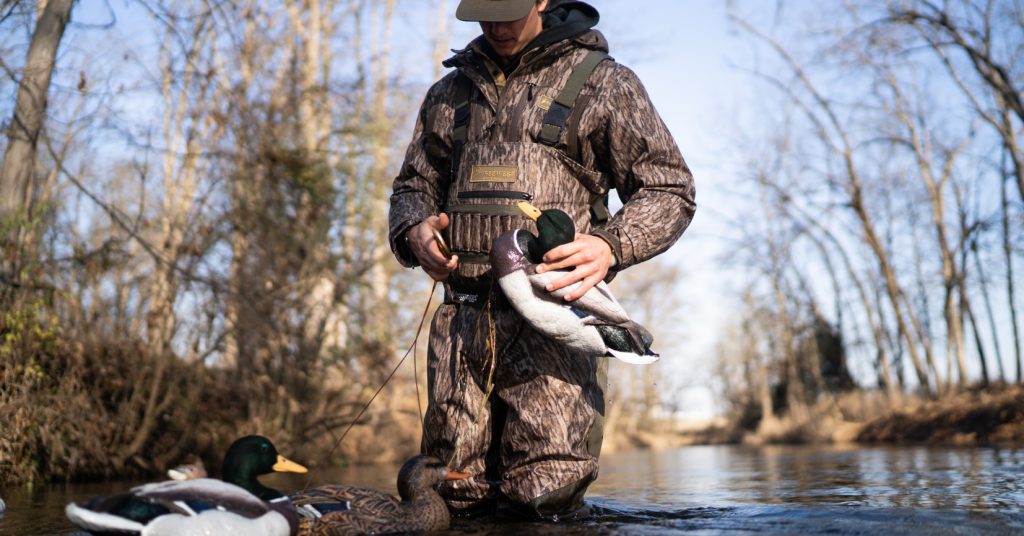
One approach to outdoor brand social media strategy is expanding the story around the product. A waterproof shell has specifications, but it also has a story when the weather turns halfway up the mountain. A grill has burners and materials, but it also has the person who finally figured out how to cook a brisket the way they wanted. A fishing rod has components and engineering, but it also has the first fish somebody catches with their kid.
Outdoor audiences often notice the details
This is one area where outdoor-specific experience can become valuable. People who spend serious time fishing, hunting, boating, hiking or cooking outside often understand the little details of those activities. They may notice the way gear is handled, recognize conditions and know when a scenario makes sense. They can also recognize when a beautiful piece of creative feels more like it was assembled from a mood board than drawn from a real outdoor experience.
Originality Can Give People a Reason to Remember the Account
Social teams face a tempting shortcut. Find a format that is trending, recreate it quickly and hope some of the momentum carries over. That can occasionally produce a great post, but relying on that approach too heavily may make it harder for an account to develop an identity of its own.
Recent research gives outdoor brands another reason to consider original ideas. Sprout Social found that only 56% of consumers believe brands are producing original content on social media. Instagram is also putting more emphasis on originality, with Meta reporting that 75% of Instagram recommendations in the U.S. came from original posts by the end of 2025.
For outdoor brands, originality does not have to mean inventing a completely new type of content every week. It can mean developing stories, perspectives and recurring ideas that feel connected to your brand and give people something recognizable to come back to. Trends can still have a place, especially when they fit naturally into a broader content strategy.
Build content territories you can return to
A mountain-bike company might become known for stories about trail builders. A marine electronics company could explain what experienced captains notice on a screen that newer boaters might miss. A hunting apparel company might build a recurring series around how conditions change layering decisions throughout a season.
Those ideas can become bigger than individual posts. They can create territories the brand revisits with different people, products and formats. Over time, the audience may begin to recognize the kind of value the account provides, giving people another reason to follow rather than simply watch one Reel and move on.
Engagement Can Continue After the Post Goes Live
Publishing is only part of social media. The conversations that follow can influence whether an account feels like a real community or a billboard beside the highway. Someone may ask whether a piece of equipment can handle saltwater. Another person might want to know where a video was filmed. A longtime customer could offer detailed criticism of a product change. Those comments can create opportunities for the brand to demonstrate expertise, personality and attention.
Generic responses can limit that opportunity. When thoughtful, informed replies may encourage other people to join the conversation and reveal what customers are curious or confused about. That information can then inform future content, product education and even creative strategy. For outdoor brands with passionate customers, community management can be considered another part of the content program rather than simply something that happens after publishing.
What Outdoor Brands Should Look at First
When social engagement starts to slip, resist the urge to change your entire strategy at once. Making several changes at the same time makes it difficult to know what actually helped. Instead, work through the account in a logical order and look for patterns before deciding what needs to change.
1. Find Out When the Change Started
Start by looking at when engagement began to shift. Compare recent performance with previous weeks or months and see whether the decline happened gradually or around a specific point in time. This gives you a starting place for figuring out what may have changed.
2. Compare Your Content by Format and Topic
Look beyond your overall engagement rate and compare different types of content. Review Reels, carousels, photos and other formats separately, then look at the subjects within them. You may discover that engagement is healthy in certain areas while one format or content theme is pulling the average down.
3. Check Whether the Content Still Fits Your Audience
Review the posts that consistently earn saves, shares, comments or longer watch times. Look for common themes in the activities, products, people and stories featured in them. Those patterns can help you see whether your current content still reflects what your audience comes to the account for.
4. Review the Creative Execution
For video in particular, pay attention to what happens in the opening seconds. Look at where viewers drop off, which openings hold attention and whether the value of the video is clear early enough. For static content, compare imagery, captions and subject matter to see which combinations consistently earn a response.
5. Look at How You Are Managing the Community
Review what happens after you publish. Check response times, the quality of brand replies and whether conversations are being encouraged or simply acknowledged. Comments and DMs can also reveal recurring questions, interests and frustrations that could become useful ideas for future content.
6. Connect Social Performance to Business Results
Finally, look beyond engagement. Review whether social content is contributing to website visits, product-page activity, leads or sales where those connections can be measured. A post with modest engagement may still be valuable if the people interacting with it are taking meaningful next steps.
Key Takeaways for Improving Social Engagement
A decline in social engagement for outdoor brands does not necessarily mean the audience stopped caring or a platform suddenly decided to bury the account. Engagement can reflect the relationship between content, audience, originality, community management, distribution and measurement.
Looking at those factors together can help brands better understand what may be influencing performance. Creating content grounded in real outdoor experiences, developing recognizable ideas to return to and paying attention to conversations after a post goes live are all approaches brands can explore as they work to build stronger connections with their audiences.
Build Stronger Connections Through Social
There is plenty outdoor brands can learn by reviewing their own content, audience behavior and performance data. For brands that want another perspective or additional support, at Unruled, we help connect social media to a broader content and growth strategy. We bring firsthand outdoor audience understanding together with creative, analytics and paid media to help brands better understand what is working and where there may be opportunities to grow.
If your social performance has become harder to explain, taking a closer look at what is changing can help uncover new opportunities. If you want a partner in that process, connect with our team to build a social media strategy focused on the people you want to reach and the business results you want to support.