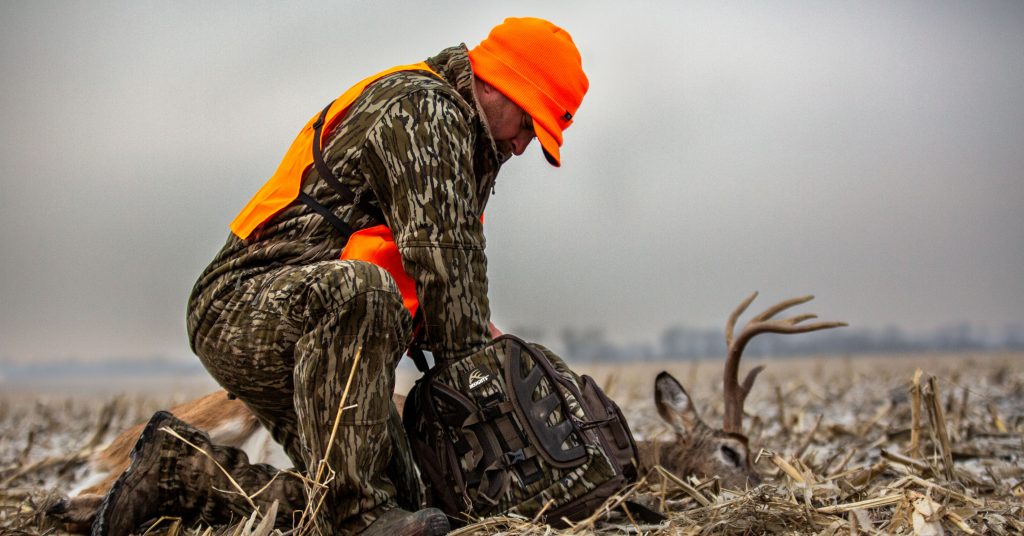
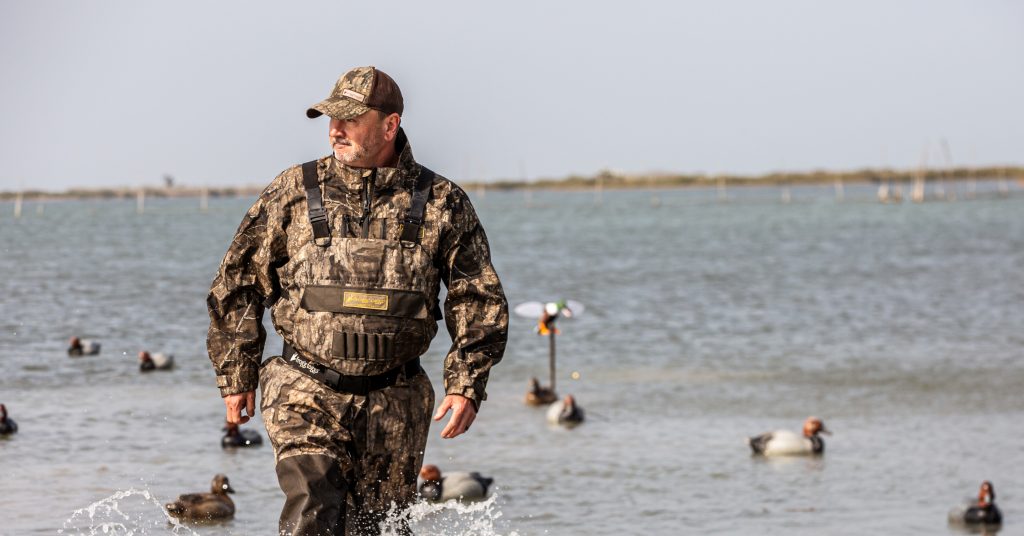
If there’s one thing every outdoor brand needs to accept heading into 2026, it’s this: Not all hunters are created equal.
Some go out once or twice a season with buddies. Others plan their lives around tags, seasons, scouting, and strategy. They live for the challenge – and spend like it, too.
So why are so many brands still treating the hunting consumer like a one-size-fits-all audience? Hunting brands must understand and segment hardcore versus casual audiences to deploy tiered product lines, tailored content, and messaging that lands.
According to Unruled’s 2025 Hunting Industry Insights Study:
- 44% of hunters go out 6–15 days per year
- 27% take 6–10 hunting trips per season
- 12.7% hunt more than 30 days a year
That’s not a casual hobby. That’s a lifestyle. And it demands marketing strategies that reflect real levels of engagement – not just demographics.
Hardcore vs. Holiday: The Two Ends of the Hunting Spectrum
Let’s break down a hunting brand’s audience personas:
The Holiday Hunter
- Hunts once or twice a season, often on family land
- Invests modestly in gear (or borrows it)
- Buys from big-box retailers or during sales
- Prioritizes simplicity, value, and availability
- Influenced by general content and recognizable retail brands
The Hardcore Hunter
- Hunts every opportunity available – often across multiple game types or states
- Invests heavily in premium gear and upgrades often
- Seeks field-tested innovation and tactical performance
- Buys direct or from specialized retailers
- Influenced by gear reviews, forums, and peer recommendations
If your brand message, product positioning, or influencer program isn’t accounting for these differences, you’re likely missing both segments.
Why This Matters in 2026
Consumers want gear – and messaging – that fits their lifestyle and level of commitment. What speaks to a gear-savvy elk hunter in Idaho won’t resonate with a weekend whitetail hunter in Georgia.
Segmentation is no longer optional. It’s essential.
How to Segment Smartly and Sell Strategically
To thrive in this diverse and passionate space, here’s what smart brands are doing now to win in 2026:
Create tiered product lines.
Offer entry-level, mid-tier, and premium options – not just in price, but in features, durability, and story.
Tailor your content to skill levels.
Advanced tutorials for serious hunters. Quick tips for newer ones. Don’t speak over – or under – your audience.
Segment your ambassadors.
A single influencer won’t resonate across the spectrum. Use hardcore gear junkies and approachable family hunters.
Match platforms to personas.
The hardcore crowd is on YouTube and forums. Casual hunters are on Facebook and Instagram. Adjust your social media accordingly.
Use journey-based messaging.
Position your brand as a companion on the hunter’s evolution – from their first duck blind to their tenth out-of-state elk tag.
The Takeaway
Modern hunting consumers aren’t just split by age or location – they’re split by sweat equity. Who’s putting in the days? Who’s chasing performance over convenience? Who’s passing along their passion to the next generation?
The brands that understand these questions – and build products and marketing strategies to match – will own the 2026 season and beyond.
Because in this category, it’s not just about who hunts. It’s about how they hunt.
To learn more, download a free copy of our 2025 Hunting Industry Insights Study.