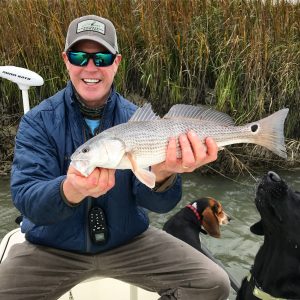
Outdoor consumers plan their lives around opening day, water temperature, snowpack, migration, spring runoff, tournament weekends, camping trips and that first warm Saturday that makes staying inside feel impossible. Those moments should shape when outdoor brands enter the conversation.
Effective content planning for outdoor brands starts by understanding what consumers are preparing for throughout the year and connecting those behaviors to business goals, search demand and production timelines. Publishing dates come later. A strong content strategy for outdoor brands gives those dates a reason to exist and helps every piece of content earn its place on the calendar.
Why Should Outdoor Brands Plan Content Around Consumer Seasons?
The outdoor consumer’s year is made up of overlapping seasons. A whitetail hunter may research equipment months before opening day. A fly angler can be thinking about spring hatches while snow still covers the bank. A family considering a new boat may spend weeks researching models, features and financing before warm weather makes a test drive irresistible.
Peak participation is rarely the beginning of consumer interest. By the time someone reaches the trailhead, boat ramp or deer stand, they may have already spent months searching, comparing products and making decisions.
A useful outdoor content marketing strategy works backward from those moments. When does research begin? When does buying intent increase? When are people preparing gear or planning trips? Those questions reveal when a brand has an opportunity to become useful.
The Season Starts Before Opening Day
Consider a hunting brand preparing for fall. A guide to choosing a hunting pack has greater potential when it is available during preseason scouting and gear preparation. Publishing early gives search engines time to discover the content and gives consumers time to find it while they are assembling their season kit.
The same thinking applies throughout the outdoor industry. Fishing content can anticipate species patterns, water conditions and hatches. Marine brands can move from preseason maintenance and boat-buying research into rigging and on-water use. Mountain sports brands can adjust content around snowfall, travel patterns and changing conditions. Good timing comes from knowing when the consumer starts moving, then getting ahead of them.
What Should an Outdoor Content Calendar Actually Include?
A useful content calendar connects several planning layers in one place. Each one answers a different question about why a piece of content deserves resources.
Start With the Consumer Season
Map what the audience is preparing for and doing throughout the year. Include the obvious milestones, such as hunting seasons, boating season and winter sports, along with the periods leading into them.
The goal is to identify shifts in consumer mindset. A hunter researching preseason gear needs different information than the same hunter during the season. A boat owner preparing for spring launch has different priorities than someone shopping for a boat in July.
Connect Search Intent to Those Moments
Once the seasonal map is clear, look at what consumers are actively trying to learn, solve or compare during each period. Search data can expose questions and buying signals that deserve a place in the editorial plan. Some topics will support seasonal demand. Others can become evergreen resources that continue earning organic visibility throughout the year. A data-driven content strategy helps distinguish between a good idea and an idea with demonstrated audience demand.
Layer in Business Priorities
Product launches, sales goals, lead generation and other commercial priorities also belong on the calendar. The strongest opportunities often appear where consumer demand and business needs overlap. This is where content planning becomes a strategic tool rather than a running list of assignments. Every story should have a reason to exist and a clear connection to the audience or the business.
Choose the Format and Channel
A topic does not automatically need to become a blog post. Some stories are stronger as video, email, social content or a landing page. Larger ideas may stretch across several channels. Format decisions should account for how the audience consumes the information and what the brand needs the content to accomplish. An instructional topic may benefit from video alongside a detailed search-focused article, while a timely seasonal reminder might work harder through email.
How Far Ahead Should Outdoor Brands Plan Content?
Lead time should match the size of the opportunity and the work required to capture it. Planning in layers gives teams enough runway for major initiatives while leaving room to react when conditions change.
Map the Major Seasonal Moments Annually
Start with the relatively fixed points on the calendar. Hunting seasons, major fishing periods, boating season, winter sports, holidays, product launches and trade events can form the backbone of an annual plan.
Then work backward from each moment. A fall campaign requiring original photography or video needs enough time for concepting, production and distribution. Search-focused content also needs runway so it can begin building visibility before consumer interest reaches its peak. The annual plan establishes direction without requiring every headline to be locked months in advance.
Add Detail Quarterly
Quarterly planning gives teams a chance to adjust topics based on current performance, changing conditions and new business priorities. It also creates space for opportunities that were impossible to predict when the annual plan was built. Think of the annual framework as the trail map. Quarterly planning is where you read the terrain and adjust the route.
What Content Should Outdoor Brands Prioritize?
Limited resources make prioritization part of the job. Strong content opportunities usually combine consumer relevance, business value, search opportunity and genuine brand expertise.
Prioritize High-Intent Seasonal Opportunities
Start with content serving consumers who are actively researching, preparing or getting closer to a purchase. These topics often have a clear window of opportunity, which makes timing especially important.
Evergreen authority content can follow by addressing recurring questions with long-term search value. Product launches and larger campaigns should earn priority when they support meaningful commercial goals.
Timely content also has a place when weather, cultural moments or changing outdoor conditions give the brand a credible reason to join the conversation. Existing content deserves attention too. Updating a page that already earns qualified organic traffic may create more value than publishing another article from scratch. A disciplined priority system also makes internal decisions easier. Ideas move forward because they have a job to do.
How Do You Know if the Content Calendar Is Working?
Measurement should follow the objective of the content. Depending on the goal, useful signals may include organic traffic, keyword visibility, qualified sessions, email engagement, assisted conversions, leads or revenue connected to specific product categories.
Quarterly reviews can look at which topics gained traction, which formats drove meaningful engagement and where consumer behavior differed from the original content marketing strategy. Those findings should shape the next planning cycle.
If a preseason guide continues gaining organic traffic, refresh it before the next demand peak. If consumers consistently begin searching earlier than expected, move production forward next year. When a format consumes significant resources without producing meaningful business impact, reconsider its role.
A strong content calendar gets smarter as the brand learns.
Build a Content Strategy Around the Way Outdoor Consumers Actually Move
Outdoor consumers are already thinking about the next trip, season or piece of gear long before the date arrives. Brands that understand those planning cycles can show up earlier with relevant digital content that answers real questions and supports real decisions.
Unruled Outdoor Agency builds content strategies around how outdoor consumers think, search and buy. We combine firsthand knowledge of the outdoor audience with data-driven strategy and creative execution built to perform. Ready to give your content calendar more purpose? Connect with Unruled and start planning around the moments that actually move your audience.